
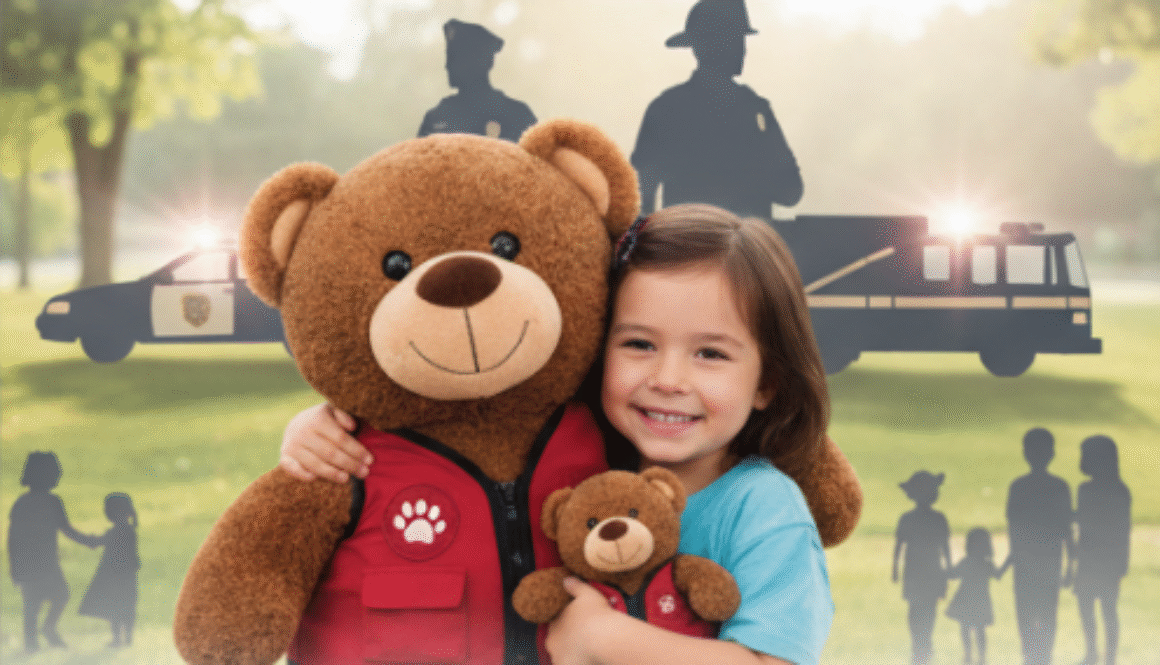
Trauma Prevention Campaign
The Trauma Bear Program in Barrie, Ontario, provides immediate comfort and emotional support to children and vulnerable people who experience crisis, injury, or sudden loss. Born from the community’s long memory of the devastating 1985 Barrie tornado—a disaster that exposed the urgent need for trauma-informed, compassionate responses—the program supplies specially prepared “trauma bears” to first responders, hospitals, and social service agencies so a child in shock has a soft, tangible source of comfort in the first chaotic minutes after an event. Beyond the teddy bear itself, the initiative strengthens community resilience by training volunteers and collaborating with emergency services and the local hospital trauma team to ensure timely, trauma-aware care. The program honors the city’s history while turning collective grief into practical, ongoing support for families—helping children feel seen, soothed, and safer in moments that matter most.
Why the Trauma Bear Program matters beyond Barrie
Programs that put comfort at the center of emergency response are inherently scalable and replicable. Trauma bears (or similar comfort items) have been used by police services, ambulance services, and hospitals across Canada and internationally; Barrie’s program is part of that wider trend, but it is distinct because of its direct lineage to a major local event and the way it has knitted community memory into ongoing preparedness.
In practical terms, the program underscores a larger principle: emergency response is most effective when it treats people as whole human beings, not just cases or statistics. Offering comfort — quickly, consistently, and compassionately — reduces long-term psychological harm and helps families recover more smoothly.
How to support or get involved
If you’d like to support the Trauma Bear Program in Barrie, consider these options:
- Donate teddy bears (check program guidelines for safety and cleanliness).
- Join and volunteer at local community service clubs like Kiwanis and/or a sewing circle.
- Partner through your workplace giving or sponsor a community drive.
- Offer logistical or administrative support to help coordinate distribution of bears in the community and connect with first responders and hospitals in your region.
